
"The world's rarest"
500 article(s) found

Introduction to the quality and characteristics of Musk Coffee
How can such coffee beans smell good? The civet's digestive system has an enzyme that breaks down a lot of amino acids, which give the excreted coffee beans a unique bitterness and aroma. So the flavor of coffee beans after a unique fermentation process is different from that of ordinary coffee beans, because wild civets are obviously better at selecting good coffee fruits.

Description of Flavor of washed Coffee beans in Yejia Coffee Cochel Manor introduction to Grinding scale of varieties
Description of the Flavor of washed Coffee beans in Yega Coffee Cochel Manor Variety Grinding scale introduces that the main producing areas of Ethiopian coffee are Harald in the east, Djimmah in the southwest and Sidamo in the south. The unique fragrance of Yirgacheffe comes from a city called Y in the northwest of Sidamo province.
World Coffee boutique Manor: Ethiopia Ethiopia (Ethiopia)
The birthplace of coffee-Ethiopia. The coffee tree originated in Ethiopia, which was originally a wild plant here, and the name coffee comes from the Ethiopian town of Kaffa. In fact, many coffee trees in Ethiopia are still wild plants, and the coffee grown on this coffee tree is full-grained and slightly alcoholic. Humans may have been around as early as the 9th century

What are the coffee producing areas in Indonesia? Which kind of Indonesian coffee is better?
Professional coffee knowledge exchange more coffee bean information Please follow the coffee workshop (Wechat official account cafe_style) mentioned Indonesia, the first thing we think of is the resort island of Bali, but you know, Indonesian coffee is also world-famous. The planting area of Indonesian coffee is the largest in the world, but due to low coffee production efficiency, Indonesian coffee production is in Brazil and Vietnam.

Introduction of Coffee Farm Coffee beans in Arabica Coffee Farm
Kopi Luwak, produced in Indonesia, grows a lot of coffee crops, including wild animals called civets, omnivores, pointed mouths and dark gray fur. Indonesians call them Luwak. Luwak likes to choose the most ripe, sweet, juicy coffee fruit in the coffee tree as food. While the coffee fruit passes through its digestive system, only the appearance of the fruit is digested.

Indonesian Muscat Coffee Flavor Manor introduction to Furin Manor in Sumatra
Kopi Luwak, also known as civet coffee. The official name of Kopi Luwak is Kopi Luwak. Kopi means coffee in Indonesian and Luwak is a wild civet in Indonesia. The coffee is commonly known as Kopi Luwak because it is made from beans picked from the droppings of civets. Kopi Luwak, produced in Indonesia, grows a lot of coffee crops.

Full-bodied Ethiopian Yega Sheffield Coffee Flavor Taste Manor Description
The main coffee producing areas in Ethiopia are Harar in the east, Djimmah in the southwest and Sidamo in the south. Yirgacheffe, which has a unique aroma, comes from a small town called Yirga in the northwest of Sidamo province. Yirgacheffe among coffee connoisseurs worldwide

Kopi Luwak tastes good. Does Kopi Luwak taste good?
In the international market, Luwak coffee has always been a veritable luxury, and one of the main reasons is that it is not made by people but by wild animals. Traditionally, the coffee fruit is washed or sun-treated, removing the skin, pulp and sheep skin, and finally taking out the coffee beans, but Luwak coffee is made by natural fermentation in wild animals. Besides

Introduction to the characteristics and flavor of Yega Chefe Coffee
Most of the refining methods of Yirgacheffe are water washing (washed), which is fermented and shelled in the washing tank for about 72 hours and dried directly outside the plant. After the raw beans are manually selected and qualified by the Ethiopian Coffee Cocoa Management Agency, they are traded and exported through competitive bidding. Its annual output is about 225000 bags (60kg per bag).

Refreshing Yemeni coffee flavor, characteristics, taste and manor
Yemeni coffee originated from Arabian coffee trees hundreds of years ago, all produced in areas above 3000 feet above sea level. For hundreds of years, the unique planting and production methods of Yemeni coffee have remained almost unchanged. The seedlings of Yemeni coffee trees are first cultivated in nurseries and then transplanted to high elevations. Pesticides and fertilizers are not used in the breeding process. Mature coffee beans are naturally dried on coffee trees and shelled by stone grinding.

Introduction of Ethiopian Coffee beans
Various forms of coffee cultivation can be found in Ethiopia: everything from wild coffee forests and semi-developed land to traditionally operated plots to modern plantations. About 50% of the coffee is grown more than 1500 meters above sea level. Harrar coffee is the highest growing area of all coffee in Ethiopia. Hara coffee can be divided into long coffee.
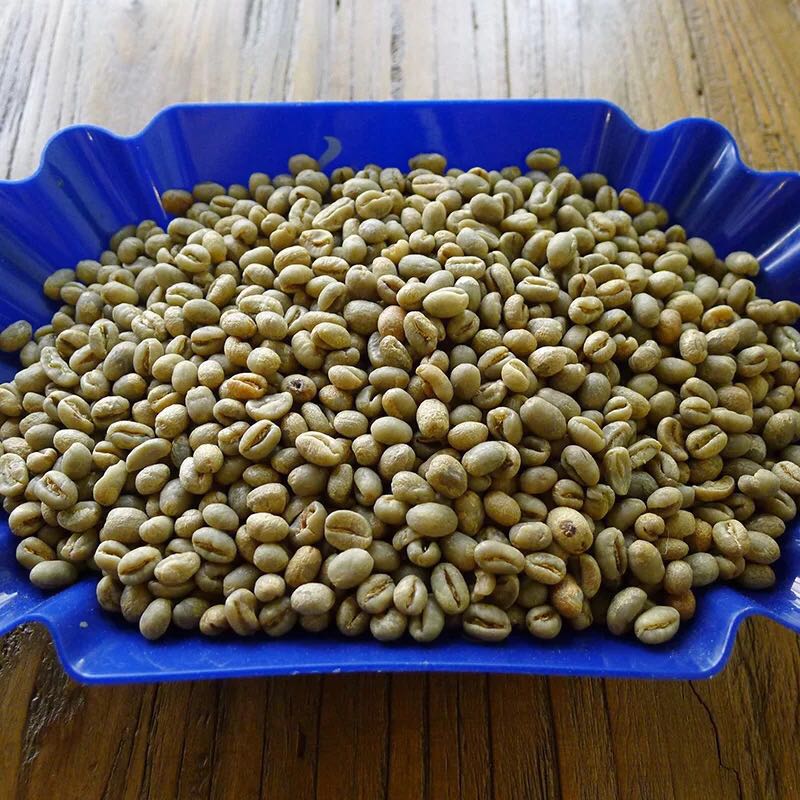
Characteristics of Ethiopian coffee beans
Various forms of coffee cultivation can be found in Ethiopia: everything from wild coffee forests and semi-developed land to traditionally operated plots to modern plantations. About 50% of the coffee is grown more than 1500 meters above sea level. Harrar coffee is the highest growing area of all coffee in Ethiopia. Hara coffee can be divided into long coffee.

Characteristics of Ethiopian coffee beans
Various forms of coffee cultivation can be found in Ethiopia: everything from wild coffee forests and semi-developed land to traditionally operated plots to modern plantations. About 50% of the coffee is grown more than 1500 meters above sea level. Harrar coffee is the highest growing area of all coffee in Ethiopia. Hara coffee can be divided into long coffee.

The latest introduction of Yemeni coffee boutique coffee
Yemeni coffee originated from Arabian coffee trees hundreds of years ago, all of which are produced in areas above 3000 feet above sea level. For hundreds of years, the unique planting and production methods of Yemeni coffee have remained almost unchanged. The seedlings of Yemeni coffee trees are first cultivated in nurseries and then transplanted to high elevations. Pesticides and fertilizers are not used in the breeding process. Mature coffee beans are naturally dried on coffee trees and shelled by stone mill.

Coffee producing areas in Ethiopia
The coffee tree originated in Ethiopia, which was originally a wild plant here. The name "coffee" comes from the Ethiopian town of "Kaffa". Humans may have known how to grow coffee trees as early as the 9th century.

Ethiopian coffee is the best coffee in the world.
The birthplace of coffee-Ethiopia. The coffee tree originated in Ethiopia, where it was originally a wild plant, and the name coffee comes from the Ethiopian town of Kaffa. In fact, many coffee trees in Ethiopia are still wild plants, and the coffee grown on this coffee tree is full of particles and slightly fragrant. Humans may have been as early as the 9th century

Ethiopian coffee is the best coffee in the world.
The birthplace of coffee-Ethiopia. The coffee tree originated in Ethiopia, where it was originally a wild plant, and the name coffee comes from the Ethiopian town of Kaffa. In fact, many coffee trees in Ethiopia are still wild plants, and the coffee grown on this coffee tree is full of particles and slightly fragrant. Humans may have been as early as the 9th century

Ethiopian coffee is the best coffee in the world.
The birthplace of coffee-Ethiopia. The coffee tree originated in Ethiopia, where it was originally a wild plant, and the name coffee comes from the Ethiopian town of Kaffa. In fact, many coffee trees in Ethiopia are still wild plants, and the coffee grown on this coffee tree is full of particles and slightly fragrant. Humans may have been as early as the 9th century

Yemeni coffee flavor Yemeni coffee characteristics Yemeni coffee taste
Yemeni coffee originated from Arabian coffee trees hundreds of years ago, all produced in areas above 3000 feet above sea level. For hundreds of years, the unique planting and production methods of Yemeni coffee have remained almost unchanged. The seedlings of Yemeni coffee trees are first cultivated in nurseries and then transplanted to high elevations. Pesticides and fertilizers are not used in the breeding process. Mature coffee beans are naturally dried on coffee trees and shelled by stone grinding.
Sri Lanka fine Ceylon black tea what brand good to drink? Ceylon black tea how to soak only bitter only fragrant
A selection of Ceylon teas, carefully selected and carefully processed to provide you with the most unique tea drinking experience in the world. In the imperial court of China, the best tea flavors and their blends were a secret, and their betrayal was such a great crime that it was punishable by death and torture. However, most of these blended teas are